
The Off-Page SEO Checklist for B2B Teams Who Need Links That Convert
Links that only move DA scores rarely move pipeline. This off-page SEO checklist shows B2B growth teams how to audit, acquire, and align off-site signals with pipeline results.


Links that only move DA scores rarely move pipeline. This off-page SEO checklist shows B2B growth teams how to audit, acquire, and align off-site signals with pipeline results.

Stop building content workflows around stages and start building them around bottlenecks. A B2B-focused guide for SaaS marketing teams looking to ship content faster without sacrificing quality.

See real B2B email marketing examples paired with the landing pages they link to. Learn why the post-click experience determines whether your email actually converts.

Real B2B marketing examples broken down by the conversion mechanics that made them work. Includes ABM, PLG, micro-tactics, and intent-based campaigns with actionable takeaways.

Your SEO plugin is not your SEO framework. Learn how to build a scalable B2B SEO framework that connects organic traffic to revenue — not just rankings.

Technical SEO checks differ in urgency and cadence. This prioritized technical SEO checklist for B2B SaaS shows which items need continuous AI monitoring vs quarterly manual review.

Skip the design gallery. These 15 B2B SaaS landing page examples are analyzed by the specific conversion mechanics that make them work for PLG, sales-led, and enterprise teams.

These B2B content marketing examples include the tactics, formats, and measurable results that moved pipeline for real SaaS companies.

Build an SEO strategy template that connects keyword clusters to revenue. A practical, stage-by-stage framework for growth teams that need SEO plans tied to pipeline, not just traffic.

TL;DR * AI-generated ad copy defaults to predictable patterns—like "adjective stacks" and generic benefits—that are structurally hostile to how Google calculates Quality Score. * This "AI slop" mechanically degrades your expected CTR and ad relevance scores, leading to higher CPCs and lower impression share,
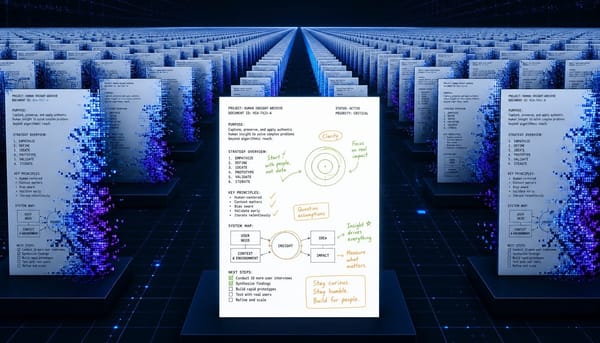
TL;DR * AI SEO slop isn't just AI-written content; it's any content—human or machine—that is structurally formulaic, lacks information gain, and fails to resolve a user's problem. * Google doesn't use simple AI detectors. It identifies slop through the Helpful

TL;DR * AI writing patterns are not random quirks; they are predictable artifacts of three core mechanics: token prediction, reinforcement learning from human feedback (RLHF), and decoding strategies. * Go beyond surface-level tells like em dashes. Structural patterns like sycophantic framing, register flatness, and hedging density are more reliable indicators